Blog Post Title
An espresso machine water filter is the most critical accessory for protecting your equipment from scale buildup and ensuring consistent flavor. Standard carbon filters remove chlorine and sediment, while Reverse Osmosis (RO) systems eliminate minerals entirely, often requiring remineralization to prevent machine corrosion and achieve the perfect espresso extraction.
Why do espresso machines need a water filter?
Water is the primary ingredient in coffee, making up over 98% of an espresso shot. However, water is also the primary cause of equipment failure. Without a proper espresso machine water filter , tap water introduces minerals like calcium and magnesium into your machine’s boiler. When this water is heated to the high temperatures required for brewing and steaming, these minerals solidify, forming what we know as limescale.
Limescale is the silent killer of coffee equipment. It coats heating elements, clogs narrow water paths, and interferes with temperature sensors. When scale builds up, your machine has to work harder to heat the water, leading to higher energy costs and, eventually, complete mechanical failure. Furthermore, unfiltered water contains chlorine and other chemicals used by municipal treatment plants. These chemicals don't just affect the taste; they can cause pitting and corrosion on the metal surfaces inside your machine.
By using a dedicated filtration system, you are ensuring that your espresso machine care routine starts at the most fundamental level. A filter acts as a shield, trapping harmful particulates and balancing mineral content before the water even enters the pump. This proactive approach saves thousands of dollars in repairs over the lifespan of the equipment.
The Impact of Hard Water on Brewing
Hard water is defined by a high concentration of dissolved minerals. While some mineral content is necessary for a good extraction, excessive hardness leads to "chalky" or "flat" tasting coffee. In an espresso environment, the high pressure magnifies every flaw in the water chemistry. If your water is too hard, it will over-extract certain compounds in the coffee, leading to a bitter and unpleasant cup.
Conversely, water that is too soft or "aggressive" can be just as damaging. Pure distilled water or improperly balanced soft water will actually leach minerals out of the metal components of your machine, such as the copper boiler or brass fittings. This leads to structural weakening and metallic-tasting espresso. Finding the "Goldilocks zone" of water hardness is the ultimate goal of any coffee professional.
- Scale buildup on heating elements
- Inaccurate temperature readings from sensors
- Reduced steam pressure and performance
- Restricted water flow through the group head
- Bitter or inconsistent flavor profiles
What is the difference between regular filters and RO?
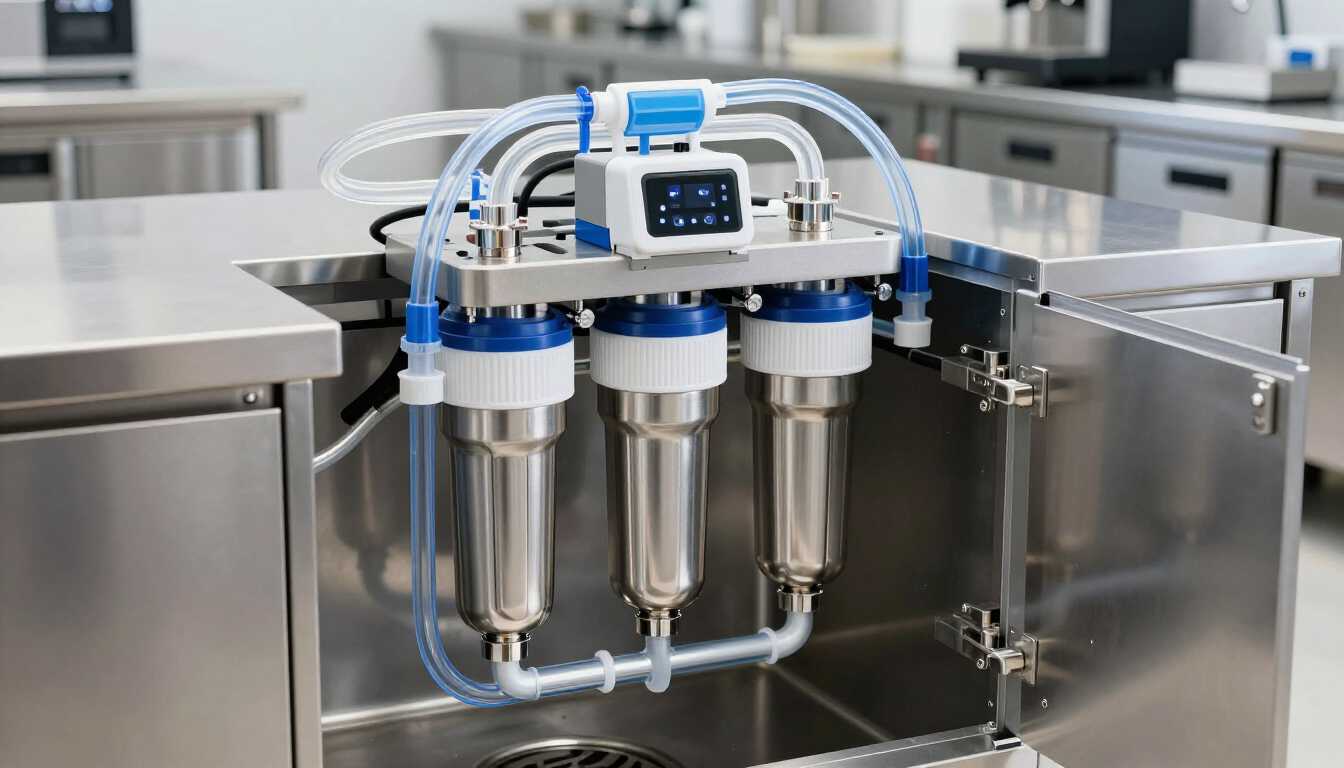
Choosing between a standard filtration system and a Reverse Osmosis (RO) system depends heavily on your local water quality and the volume of coffee you produce. Standard filters, often called “inline” or “cartridge” filters, usually utilize activated carbon and ion-exchange resins. These are designed to target specific issues like chlorine, sediment, and a certain percentage of mineral hardness. They are generally easier to install and maintain for smaller shops or home enthusiasts.
Reverse Osmosis, on the other hand, is a much more comprehensive process. An RO system forces water through a semi-permeable membrane, removing up to 99% of all dissolved solids. This results in nearly pure H2O. While this sounds ideal for preventing scale, it creates "hungry" water that can be corrosive. To solve this, professional RO systems for coffee include a remineralization stage or a bypass valve to add back a controlled amount of minerals for flavor and machine safety. Check our coffee equipment guide for more details on setup configurations.
Standard Filtration Systems Explained
Standard filtration is the most common choice for many cafes. These systems typically consist of multiple stages. The first stage is a sediment filter that catches sand, rust, and dirt. The second stage is usually an activated carbon block that removes chlorine and organic compounds that cause off-smells and bad tastes. The third stage often involves an ion-exchange resin which "swaps" scale-forming calcium ions for sodium or hydrogen ions.
These systems are excellent for water that is moderately hard. They are compact and don't require a storage tank, making them ideal for tight spaces. However, their capacity is limited. Once the ion-exchange resin is exhausted, the filter stops softening the water, and scale begins to form again. This makes regular replacement schedules vital to your maintenance services strategy.
- Lower initial installation cost
- Simple cartridge replacement process
- No water waste during filtration
- Effective for chlorine and taste issues
- Ideal for moderate water hardness levels
Is Reverse Osmosis (RO) better for espresso machines?
In areas with extremely hard water (over 150-200 ppm), an RO system is often the only viable long-term solution. A standard filter would be exhausted too quickly to be cost-effective. RO provides a blank canvas, allowing you to have total control over your water chemistry regardless of what is coming out of the city tap. For high-volume environments, the consistency of RO is unmatched.
However, RO systems are more complex. They require a storage tank because the filtration process is slow. They also produce "waste water" or brine that is sent down the drain. The most important factor is the remineralization. Without adding minerals back in, your espresso will taste thin and acidic, and your machine's internal parts will slowly dissolve. If you are considering an RO system, it is best to consult with experts in coffee equipment repair to ensure it is calibrated correctly for your specific machine.
Essential Minerals for Perfect Espresso Flavor
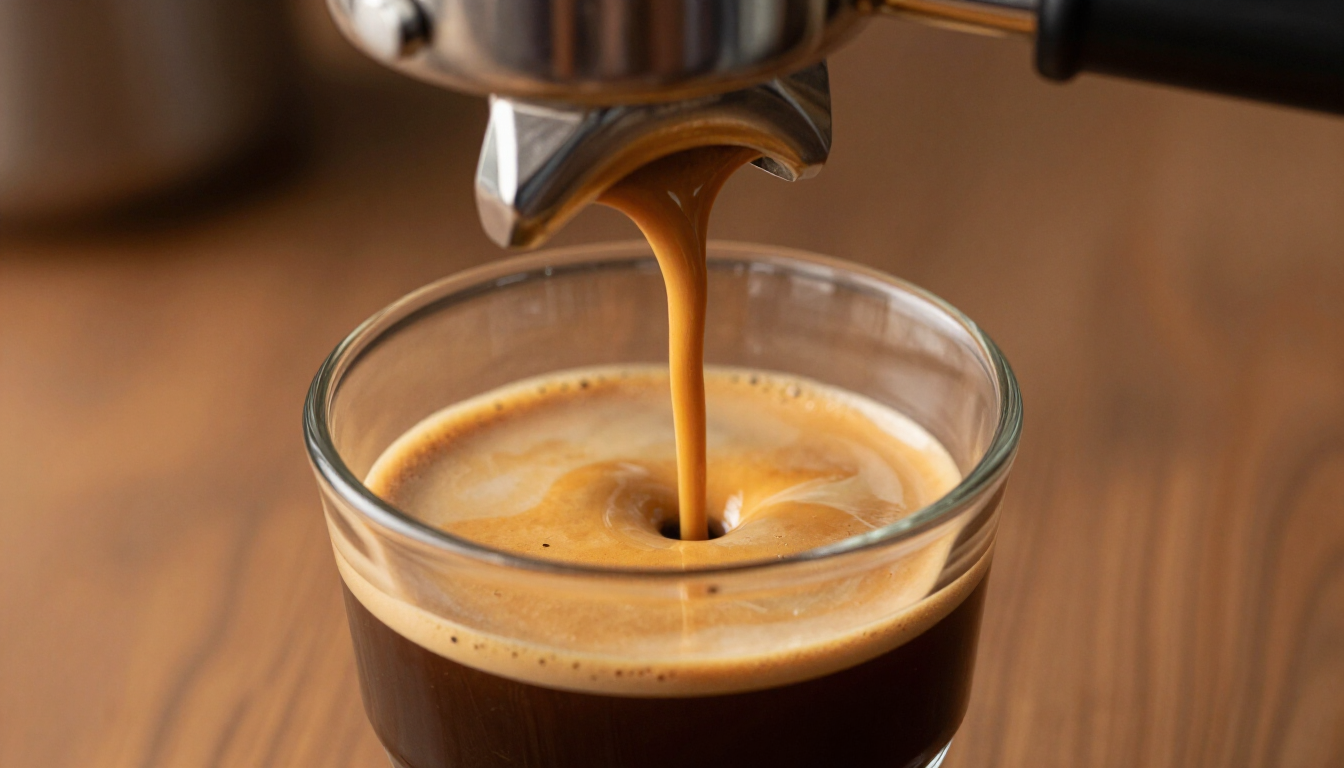
To achieve the perfect extraction, you need a balance of magnesium and calcium. Magnesium is particularly effective at pulling out complex fruity and sweet notes from the coffee grounds. Calcium, while it causes scale, contributes to the body and creaminess of the espresso. A good espresso machine water filter aims to keep these minerals at a level that facilitates flavor without causing mechanical damage.
The Specialty Coffee Association (SCA) has established standards for brewing water, recommending a Total Dissolved Solids (TDS) range of 75-250 ppm. Achieving this range usually requires a sophisticated filtration setup. If you're unsure where your water stands, a simple TDS meter or a liquid titration test kit can give you the answers you need to protect your investment.
How often should you change your water filter?
There is no one-size-fits-all answer, as filter life depends on water usage and local hardness. However, a general rule of thumb for commercial environments is to change filters every 6 months. For home users, once a year is often sufficient. If you notice a change in the taste of your coffee, a drop in water pressure, or visible scale inside the steam wand, your filter is likely past its prime.
- Every 6 months for commercial use
- Every 12 months for home use
- Whenever flavor starts to degrade
- If water flow rate decreases significantly
- After a local water main break or city work
Which filter system should I choose for my shop?
Selecting the right system involves testing your water first. If your water is relatively soft but tastes of chlorine, a high-quality carbon block is enough. If your water is hard, look into a dedicated softening cartridge. If you are in a region with extremely high mineral content or unpredictable water quality, an RO system with a blending valve is the gold standard.
At Joey the Coffee Guy, we help local Pomona business owners evaluate their needs. Whether it's a simple inline setup or a complex RO installation, our maintenance services ensure your water is never the reason your machine goes down. We understand that your equipment is the heart of your business, and we treat it with the care it deserves.
Protecting Your Investment Through Maintenance
Beyond just filtering the water, regular descaling and internal cleaning are necessary. Even the best filter doesn't catch 100% of minerals. Periodically checking the health of your boilers and solenoids can prevent the need for emergency coffee equipment repair . A proactive maintenance plan is always cheaper than a reactive repair bill when the shop is full of customers.
Choosing the right water filter is a decision that pays for itself in reduced downtime and superior coffee quality. If you want to learn more about how we can help keep your equipment running perfectly, feel free to visit our about us page or check our blog for more technical tips. Protecting your espresso machine's health starts with the water you feed it every day.
Summary: Choosing the Best Filter for Your Machine
Selecting the right water filtration system is the single most important maintenance decision you will make for your espresso machine. Proper filtration protects your heating elements from scale, ensures the longevity of your sensors, and provides the chemical balance necessary for delicious coffee. Whether you choose a standard ion-exchange filter or a comprehensive RO system, consistency is key.
- Standard Filters : Best for moderate hardness and budget-friendly setups.
- RO Systems : Essential for very hard water and high-volume consistency.
- Maintenance : Change filters at least every 6 months to ensure protection.
- Flavor : Balanced mineral content is required for the best espresso extraction.
Need expert advice on your water setup? Contact us today to schedule a water quality assessment and keep your machine in top shape.
Recent Posts